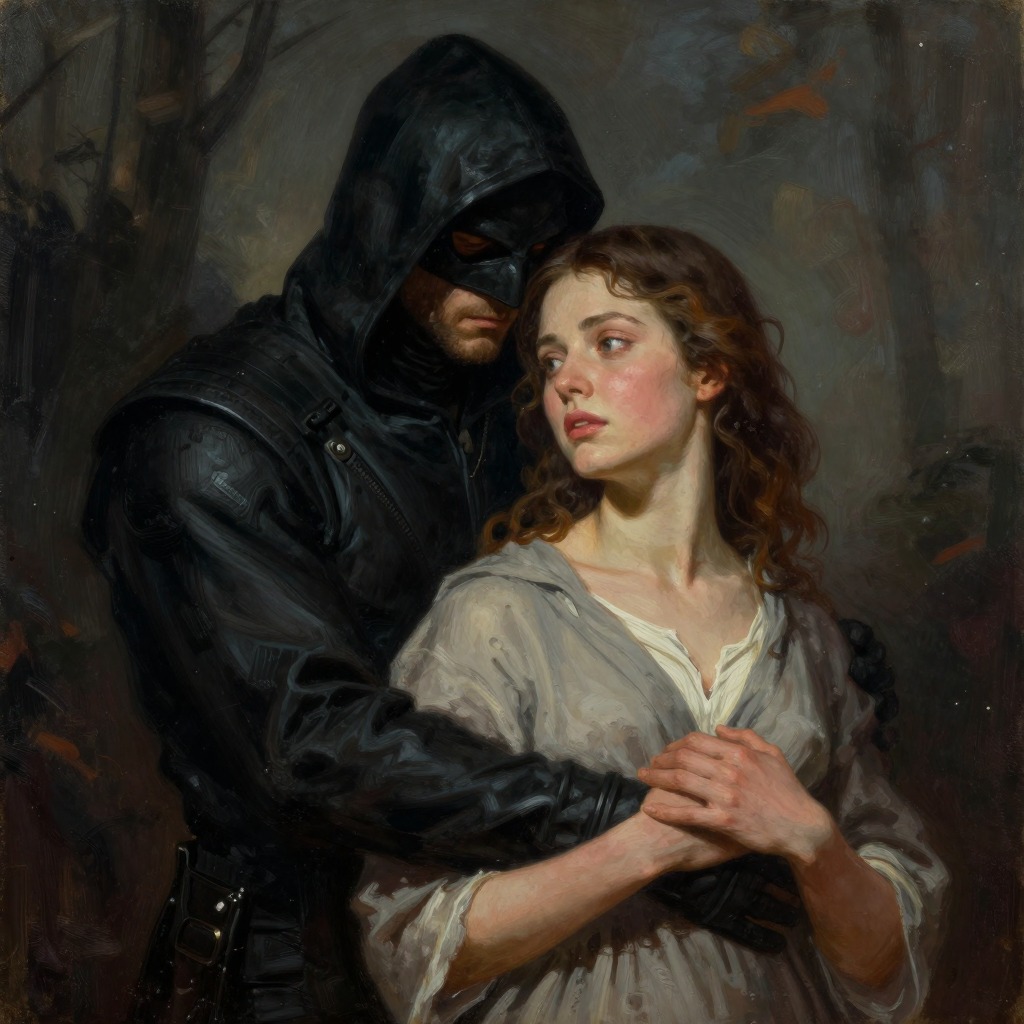
Elena
Elena is the wife of Maxim, the self-appointed vigilante who hunts and kills Dark Others in Moscow. She is an ordinary human being with no magical powers, and her presence in the story provides a stark contrast to the supernatural world her husband inhabits. Through her, the narrative explores the cost of Maxim's solitary war on the human relationships he claims to be protecting.
Identity and Domestic Life
Elena is presented as a devoted wife and mother, living with Maxim and their children in a comfortable Moscow apartment. She is perceptive and emotionally attuned to her husband's moods, noticing when he is distracted or troubled. When Maxim returns home after a night spent staking out a target, she either believes his story about "an important business meeting" or pretends to do so, but she is clearly aware that something is wrong. Her life is built around the ordinary rhythms of family—worrying about her husband's safety, caring for their children, and maintaining their home. She uses Lumene makeup, a detail that Svetlana notices and identifies as "cheap, not all that good," grounding Elena in a specific, modest consumer reality.
The Strain of Maxim's Secret
Maxim's secret life as a killer of Dark Ones creates a persistent tension in their marriage. He cannot tell her the truth about what he does, and his unexplained absences—like the night he spends sitting in his car waiting for a target—force him to fabricate excuses. Elena suspects infidelity, a suspicion that wounds her more deeply than the truth likely would. When Maxim returns home after killing the were-panther Galina Rogova, he tries to smooth things over with presents and a dinner out, the same methods "any decent man uses after a little affair." This pattern of deception and cover-up erodes the trust between them, even as Maxim convinces himself that someday she would be proud of him if she knew the truth.
The Breaking Point
The strain reaches its peak after Maxim impulsively stops his car to rescue Anton (in Olga's body) from Zabulon's attack. Elena, who was in the car with him, is terrified and furious. She unleashes a torrent of accusations, dredging up every past grievance: she calls him a fool, a womanizer, a swine who flirts with prostitutes in front of his wife, and a failure who has not given his family a decent life. Her anger is not just about the immediate danger; it is the accumulated pain of years of suspicion, loneliness, and feeling secondary to whatever mysterious force drives her husband. She tells him he does not think about her or the children at all.
The Final Plea
When Maxim prepares to leave again, called by his sense of duty to confront what he believes is a Dark presence, Elena's fury collapses into desperate entreaty. She begs him not to go, physically blocking the doorway. Her final shout as he walks down the stairs is the emotional climax of their relationship: "I wish you'd love us, not just take care of us." This line cuts to the heart of Maxim's character. He sees his killing as an act of protection, a form of love for his family and for humanity. But Elena exposes the gap between that abstract, violent care and the simple, present, vulnerable love she needs. Maxim hears her, but he does not stop. He walks away, and the narrative leaves their relationship in that unresolved, aching space.
Thematic Significance
Elena functions as a moral and emotional counterweight to Maxim's crusade. She represents the ordinary human life that the Others' war is supposedly fought to protect, yet which that war so often damages. Her plea—to be loved rather than merely guarded—echoes the novel's broader questions about the nature of Good and the cost of fighting Evil. Through Elena, the story suggests that a love that sacrifices intimacy for duty, that substitutes protection for presence, is a love that has already lost something essential. She is the human face of the collateral damage that Maxim's righteous violence inflicts, and her pain is a quiet indictment of his entire mission.